

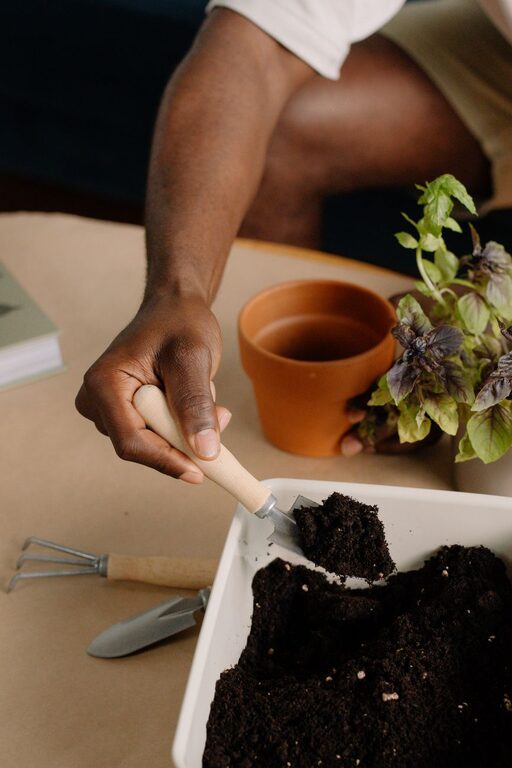
Starting a small herb garden indoors is a rewarding and enjoyable way to bring fresh flavors into your kitchen while brightening up your living space. Whether you have limited outdoor space or simply want the convenience of fresh herbs at your fingertips, growing herbs indoors is easier than you might think. This guide will walk you through everything you need to know to get started with your own indoor herb garden.
Why Grow Herbs Indoors?
Indoor herb gardening offers several benefits:
– Freshness: Harvest herbs right when you need them for meals.
– Convenience: No need to dash outside or buy expensive store-bought herbs.
– Year-Round Growth: Herbs can thrive inside regardless of outdoor weather.
– Space-Saving: Perfect for apartments, condos, or homes without yard space.
– Aesthetic Appeal: Adds greenery and a pleasant aroma to your home.
Choosing the Right Herbs for Indoor Gardening
Some herbs adapt better to indoor environments because they require less sunlight and are more compact. Here are some great beginner-friendly herbs to consider:
– Basil: Loves bright light; perfect for window sills.
– Parsley: Tolerates moderate light; slow-growing but hardy.
– Mint: Thrives indoors and spreads quickly—keep in its own pot.
– Chives: Can grow well under moderate light and are great for garnishing.
– Thyme: Needs good light and well-drained soil.
– Oregano: Tolerant of indoor conditions and adds great flavor.
Avoid herbs that typically grow very tall or require full outdoor sun, such as rosemary, unless you can provide sufficient light.
Selecting Containers for Your Indoor Herb Garden
The right container helps your herbs grow healthy and strong. Keep these tips in mind when choosing pots:
– Drainage is Key: Ensure pots have drainage holes to prevent root rot.
– Size Matters: Select pots that are about 4-6 inches deep for most herbs.
– Material: Terracotta pots allow for better airflow but dry out faster; plastic retains moisture longer.
– Grouping: You can place individual pots close together or use a larger container divided into sections.
Choosing the Soil and Planting Your Herbs
– Use a high-quality potting mix designed for indoor plants. Avoid garden soil, which is too dense and may contain pests.
– Mix in some perlite or sand to improve drainage.
– When planting seeds, follow the seed packet instructions. Generally:
– Sow seeds 1/4 inch deep.
– Keep soil moist but not soggy.
– If starting with seedlings, gently loosen roots before planting.
Lighting Requirements for Indoor Herbs
Sunlight is the most important factor in indoor gardening success.
– Most herbs require at least 6 hours of direct sunlight daily.
– Place your garden near a south-facing window for optimal light.
– If natural light is limited, consider using a grow light to supplement.
– Rotate pots periodically for even growth.
Watering Your Indoor Herbs
Proper watering keeps your herbs healthy without causing problems.
– Water when the top inch of soil feels dry.
– Avoid overwatering, which leads to root rot.
– Use pots with drainage holes and remove excess water from the saucer.
– Mist herbs occasionally to increase humidity, especially in dry environments.
Fertilizing and Maintenance Tips
– Feed your herbs every 4-6 weeks with a diluted liquid fertilizer formulated for edible plants.
– Regularly prune your herbs by harvesting leaves—this encourages bushier growth.
– Remove any dead or yellowing leaves promptly.
– Keep an eye out for pests like aphids or spider mites, and treat early if spotted.
Troubleshooting Common Problems
– Leggy Herbs: Not enough light; move plants to a brighter location.
– Yellow Leaves: Overwatering or nutrient deficiency; adjust watering and fertilizing.
– Wilting: Underwatering or too much direct heat.
– Pests: Use natural remedies like neem oil or insecticidal soap.
Harvesting Your Indoor Herb Garden
– Harvest herbs in the morning for the best flavor.
– Snip leaves or stems using clean scissors or pruning shears.
– Avoid removing more than one-third of the plant at a time to keep it healthy.
– Use your fresh herbs in cooking, teas, or as garnishes.
Final Thoughts
With just a little care and the right setup, growing a small herb garden indoors can be a delightful hobby that adds flavor and freshness to your home. Start small, choose herbs that suit your space, and enjoy the satisfaction of nurturing your own green oasis.
Happy gardening!