

Reducing food waste at home is an easy way to save money, support environmental efforts, and make the most of the food you buy. In the United States, millions of tons of food are wasted each year, contributing to unnecessary landfill use and lost resources. Fortunately, with a few practical steps, you can help minimize this waste in your household. Here’s a detailed guide on how to reduce food waste effectively.
Why Reducing Food Waste Matters
Before diving into tips, it’s helpful to understand why reducing food waste is important:
– Environmental Impact: Food waste contributes to greenhouse gas emissions when it rots in landfills.
– Resource Conservation: Growing food requires water, energy, and labor, all of which go to waste if food isn’t consumed.
– Financial Savings: Wasting food means wasting money spent on groceries.
– Community Support: Reducing waste can encourage more mindful consumption and support local food initiatives.
Let’s explore actionable ways you can reduce food waste at home.
1. Plan Your Meals and Shopping Trips
Make a Weekly Meal Plan
Creating a meal plan before shopping can help you buy only what you need. This reduces impulse purchases and forgotten items that may spoil.
– Write down meals you want to prepare for the week.
– Check your pantry and fridge to use existing ingredients first.
– Plan meals that can share ingredients to use them efficiently.
Shop with a Detailed List
– Use your meal plan to create a shopping list.
– Stick to the list to avoid buying unnecessary items.
– Consider buying loose fruits and vegetables to purchase exact quantities.
2. Store Food Properly
Understand Proper Storage Techniques
Different foods require different storage conditions to stay fresh longer.
– Keep fruits and vegetables in the right spots: for example, some fruits emit ethylene gas and can spoil nearby veggies.
– Use airtight containers for leftovers and opened packages to maintain freshness.
– Wrap greens in a damp cloth or paper towel to keep them crisp.
Use the “First In, First Out” Method
– Organize your fridge and pantry so older items are in front and used before newer ones.
– Regularly check expiration dates and prioritize foods nearing their use-by dates.
3. Use Leftovers Creatively
Repurpose Leftovers into New Meals
Instead of throwing leftovers away, transform them into delicious new dishes:
– Turn roasted vegetables into soups or frittatas.
– Use stale bread for breadcrumbs or croutons.
– Mix leftover rice or grains with fresh ingredients for salads or stir-fries.
Practice Portion Control
By serving smaller portions, you reduce the chance of uneaten food on plates. You can always offer seconds if still hungry.
4. Freeze Excess Food
Freezing is a great way to extend the life of food that you won’t consume immediately.
– Freeze extra bread, cooked meals, or fresh produce before they spoil.
– Portion foods before freezing for easy meal-sized servings.
– Label and date frozen items to keep track of what to eat first.
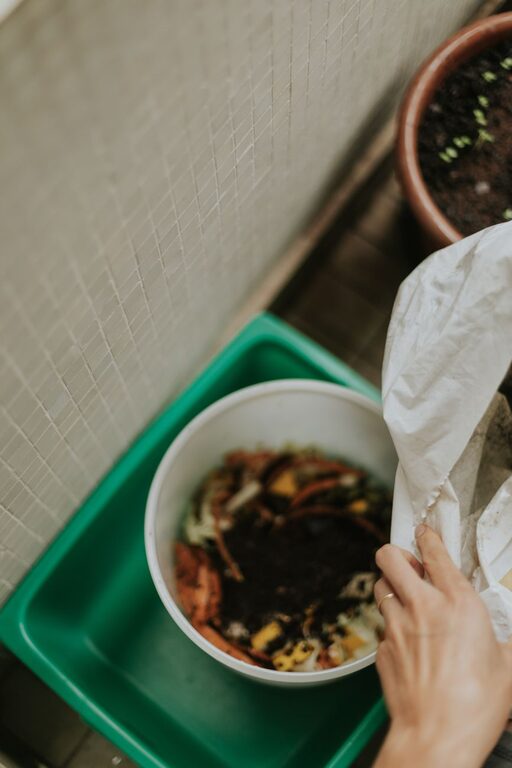
5. Compost Food Scraps
If you have food scraps that are no longer edible, composting is an eco-friendly option.
– Collect fruit and vegetable peels, coffee grounds, eggshells, and other compostable materials.
– Use a compost bin in your yard or check if your local community has composting programs.
– Compost enriches soil and reduces greenhouse gas emissions from landfills.
6. Be Mindful When Dining Out
Eating out or ordering takeout can also contribute to food waste.
– Order only what you can finish.
– Ask for a take-home container to save leftovers.
– Share larger dishes when possible to reduce excess food.
7. Educate Your Household
Involve everyone who shares your home to create a culture of mindful eating.
– Talk about food waste and why it matters.
– Encourage family members to help with meal prep and storage.
– Share tips and celebrate progress in reducing waste.
Final Thoughts
Reducing food waste at home doesn’t require drastic changes. By planning meals, storing food correctly, using leftovers, freezing excess, composting scraps, and practicing mindful consumption, you can make a meaningful impact. These small habits not only save money but also promote a healthier environment for everyone.
Start with one or two of these strategies and build from there. Over time, your kitchen can become a model of sustainability and efficiency. Happy cooking and waste-free living!